
Settle in
Take a deep breath. Turn off notifications on your phone. Tell God about one area where it’s difficult for you to be emotionally honest, and ask him to help you believe that he hears you when you pray.
Thought starter
Read this verse slowly. What does it teach you about God?
Even before they call out to me, I will answer them. While they are still speaking, I will hear them.
Isaiah 65:24 NIrV
God hears us when we call out to him, and this brings peace when we are worried and relief when we are in pain. In this Bible study, we will learn how to pray from the life of Hannah—a woman in the Bible whose tears in prayer led to a transformation. She went from deeply distressed to deeply joyful, even when her circumstances hadn’t changed yet. Prayer changes our hearts, and Hannah’s story shows us how.
Here’s what we’ll learn in this Quick Quiet Time:
- Prayer is vulnerability, not performance.
- Prayer is opening our hearts, not grasping for control.
- Prayer brings peace even before it brings an answer.

Prayer is vulnerability, not performance.
Hannah was in deep anguish, crying bitterly as she prayed to the Lord.
1 Samuel 1:10 NLT
Hannah was “deeply distressed” and weeping bitterly. If you read her whole story, you’ll find that she had been unable to have children for many years. She was mocked for it by others, and she was intensely sad. But she didn’t hide her pain or try to appear strong. She brought her honest, unfiltered emotions directly to God.
Supporting scriptures:
People, trust God all the time. Tell him all your problems, because God is our protection.
Psalm 62:8 NCV
The Lord is close to the brokenhearted, and he saves those whose spirits have been crushed.
Psalm 34:18 NCV
Reflect:
- God welcomes emotional honesty.
- Prayer is not performance; it’s vulnerability.
- Hannah’s tears were her prayer.
Response:
- What emotions have I been holding back from God?

Prayer is opening the heart, not taking control.
She made a promise, saying, “Lord All-Powerful, see how sad I am. Remember me and don’t forget me. If you will give me a son, I will give him back to you all his life, and no one will ever cut his hair with a razor.”
1 Samuel 1:11 NCV
Hannah made a vow—not to try to control God, but to surrender to him. She opened her heart to God, telling him that she longed for a child and promising to trust him with her deepest desire.
Supporting scriptures:
So brothers and sisters, since God has shown us great mercy, I beg you to offer your lives as a living sacrifice to him. Your offering must be only for God and pleasing to him, which is the spiritual way for you to worship
Romans 12:1 NCV
Then Jesus used this story to teach his followers that they should always pray and never lose hope.
Luke 18:1 NCV
Reflection:
- Hannah prayed with persistence and hope, refusing to give up even though she didn’t have what she wanted yet.
- She put God’s purposes first, promising that her son would serve him all his life.
Response:
In what areas of my life is God inviting me to pray with both purpose and surrender?

In prayer, we don’t have to be afraid of being misunderstood.
She was praying in her heart so her lips moved, but her voice was not heard. Eli thought she was drunk and said to her, “Stop getting drunk! Throw away your wine!” Hannah answered, “No, sir, I have not drunk any wine or beer. I am a deeply troubled woman, and I was telling the Lord about all my problems. Don’t think I am an evil woman. I have been praying because I have many troubles and am very sad.”
1 Samuel 1:13–16 NCV
When Hannah prayed at the Temple, she was noticed by the priest Eli. Eli misread her pain and assumed the worst—that she had been drinking. Yet Hannah did not shut down; she explained herself with humility.
Supporting scriptures:
O Eternal One, You have explored my heart and know exactly who I am; [2] You even know the small details like when I take a seat and when I stand up again. Even when I am far away, You know what I’m thinking.
Psalm 139:1-2 VOICE
Give all your worries to him, because he cares about you.
1 Peter 5:7 NCV
Reflection:
- Sometimes we don’t share our pain because we are afraid that people will misunderstand us. But even if that happens, we can find courage in knowing that God always understands.
- Emotional vulnerability is choosing to be honest, even when misunderstood.
- Hannah showed courage in staying open, even when someone made an assumption about her.
Response:
- Have I allowed misunderstanding to silence my prayers?

Prayer leads to turning points.
Eli replied, “You may go home now and stop worrying. I’m sure the God of Israel will answer your prayer.”
1 Samuel 1:17 CEV
God’s reassurance for Hannah came through the priest Eli, who was an imperfect person but had faith in God.
Supporting scriptures:
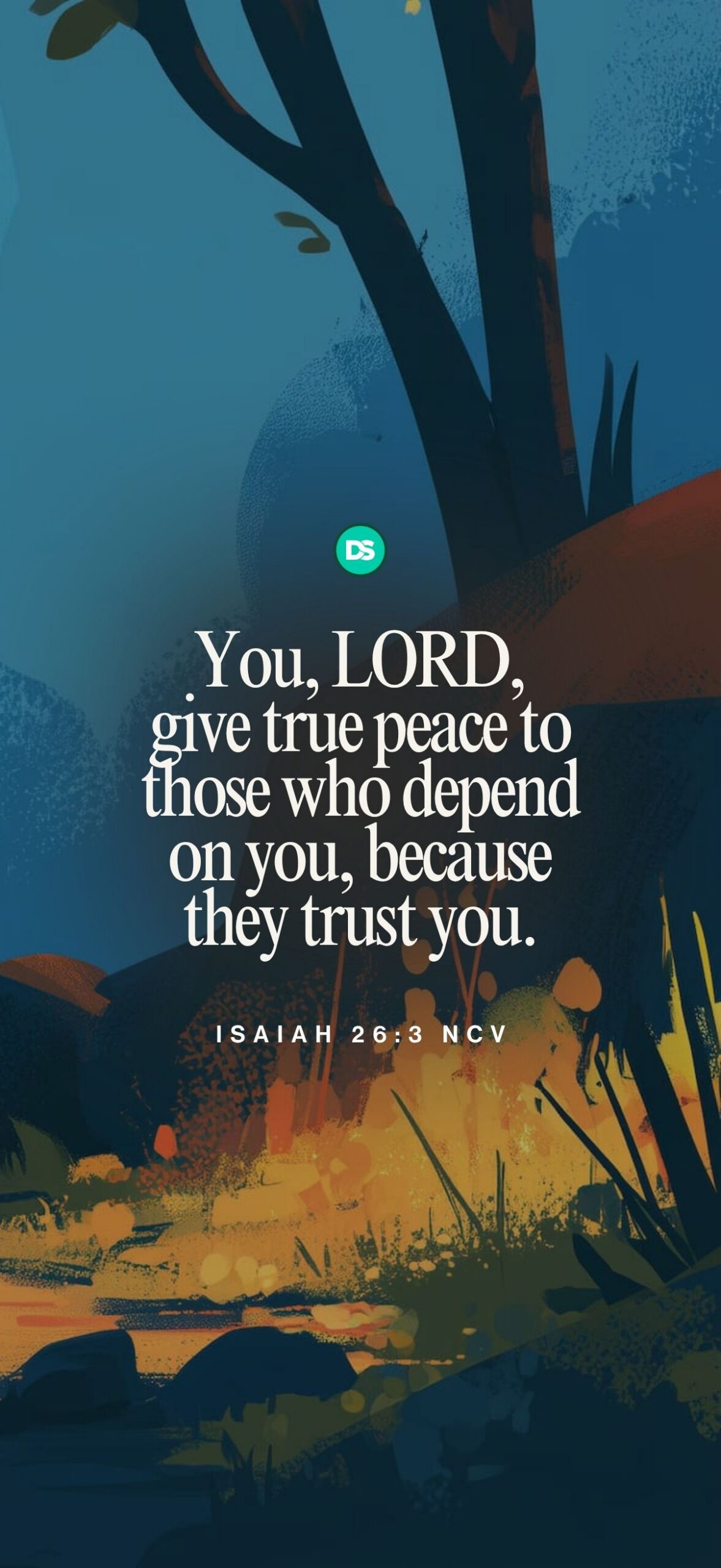
You, LORD, give true peace to those who depend on you, because they trust you.
Isaiah 26:3 NCV
Worry is a heavy load, but a kind word cheers you up.
Proverbs 12:25 NCV
Reflection:
- God often uses unexpected people to comfort us. When we stay open and vulnerable, we give God more opportunities to cheer us up through the kindness of people around us.
- God’s message to Hannah was simple: I’ve heard you. You can stop worrying and let go.
- This moment would become a turning point for Hannah. Because of prayer, she could stop worrying even though her circumstances hadn’t changed.
Response:
- What would it look like for me to “go home and stop worrying” today? How effective is my prayer life?

Prayer brings peace before it brings an answer.
Hannah said, “May I always please you.” When she left and ate something, she was not sad anymore.
1 Samuel 1:18 NCV
Hannah’s face was “no longer sad.” Nothing external had changed, yet she walked away with peace.
Supporting scriptures:
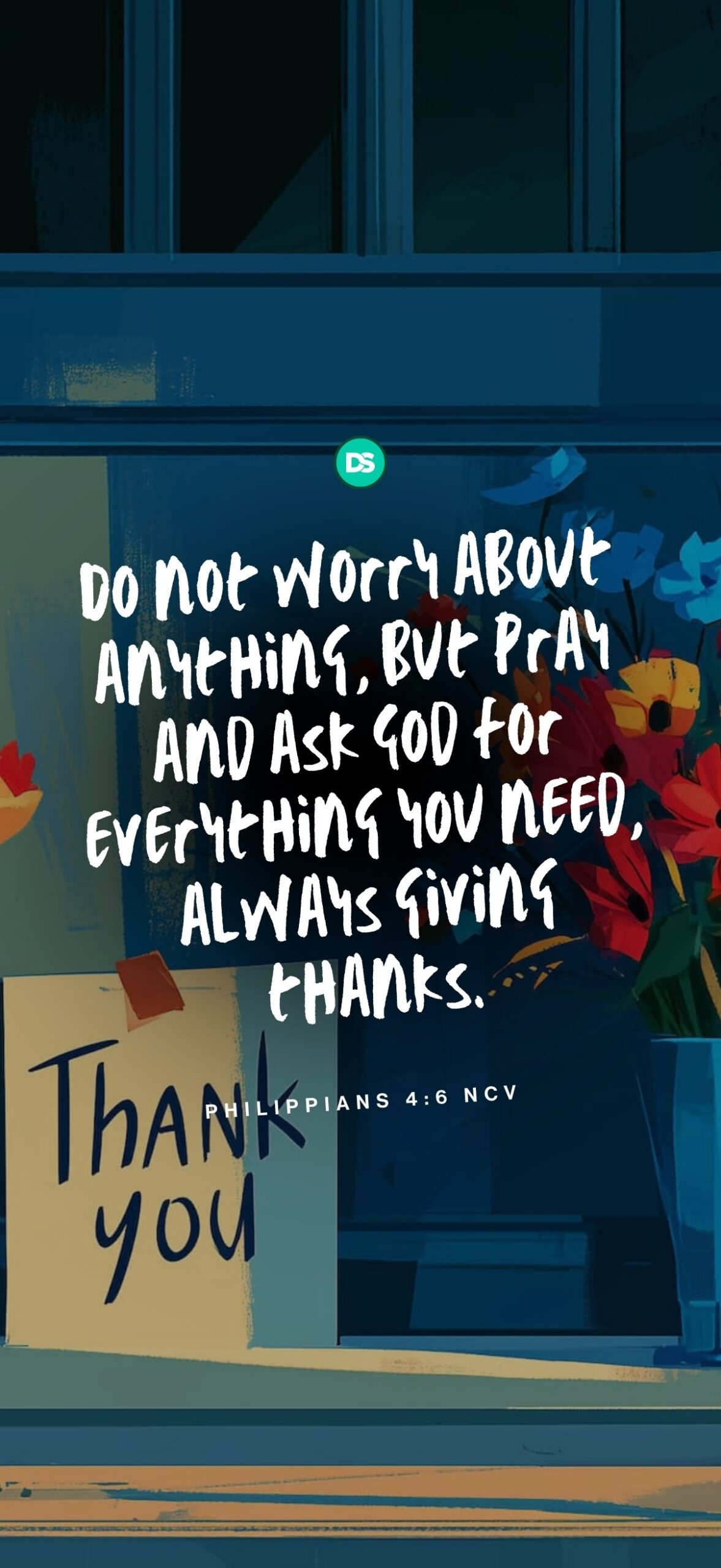
Do not worry about anything, but pray and ask God for everything you need, always giving thanks. And God’s peace, which is so great we cannot understand it, will keep your hearts and minds in Christ Jesus.
Philippians 4:6–7 NCV
I leave you peace; my peace I give you. I do not give it to you as the world does. So don’t let your hearts be troubled or afraid.
John 14:27 NCV
Reflection:
- Hannah models emotional transformation through prayer. God’s presence shifts her heart before he shifts her situation.
- Peace is not the result of getting what we want, but of having a real relationship with God.
Response:
- Where do I need God’s peace even though I haven’t seen his answer yet?

Answered prayers are opportunities to honor God.
So Hannah became pregnant, and in time she gave birth to a son. She named him Samuel, saying, “His name is Samuel because I asked the Lord for him.”
1 Samuel 1:20 NCV
“So now I give him to the Lord. He will belong to the Lord all his life.” And they worshipped the Lord there.
1 Samuel 1:28 NCV
God heard, remembered, and answered in his time. Hannah responded by honoring God with the very gift she prayed for.
Response:
- How can I honor God with the things he has already given me?
Closing prayer
“God, teach me to pray like Hannah—with honesty, persistence, and total surrender. Help me bring all of my honest emotions to you, knowing that you never reject my tears. Even before my answers arrive, give me the perfect peace that guards my heart. Help me trust you completely with my future.”
Bring the inspiration with you
Save this phone wallpaper to remind you to be real today!