
Settle in
Take a deep breath. Turn off notifications on your phone if you can. Ask God to help you see past drama and have real deep friendships today.
Thought starter
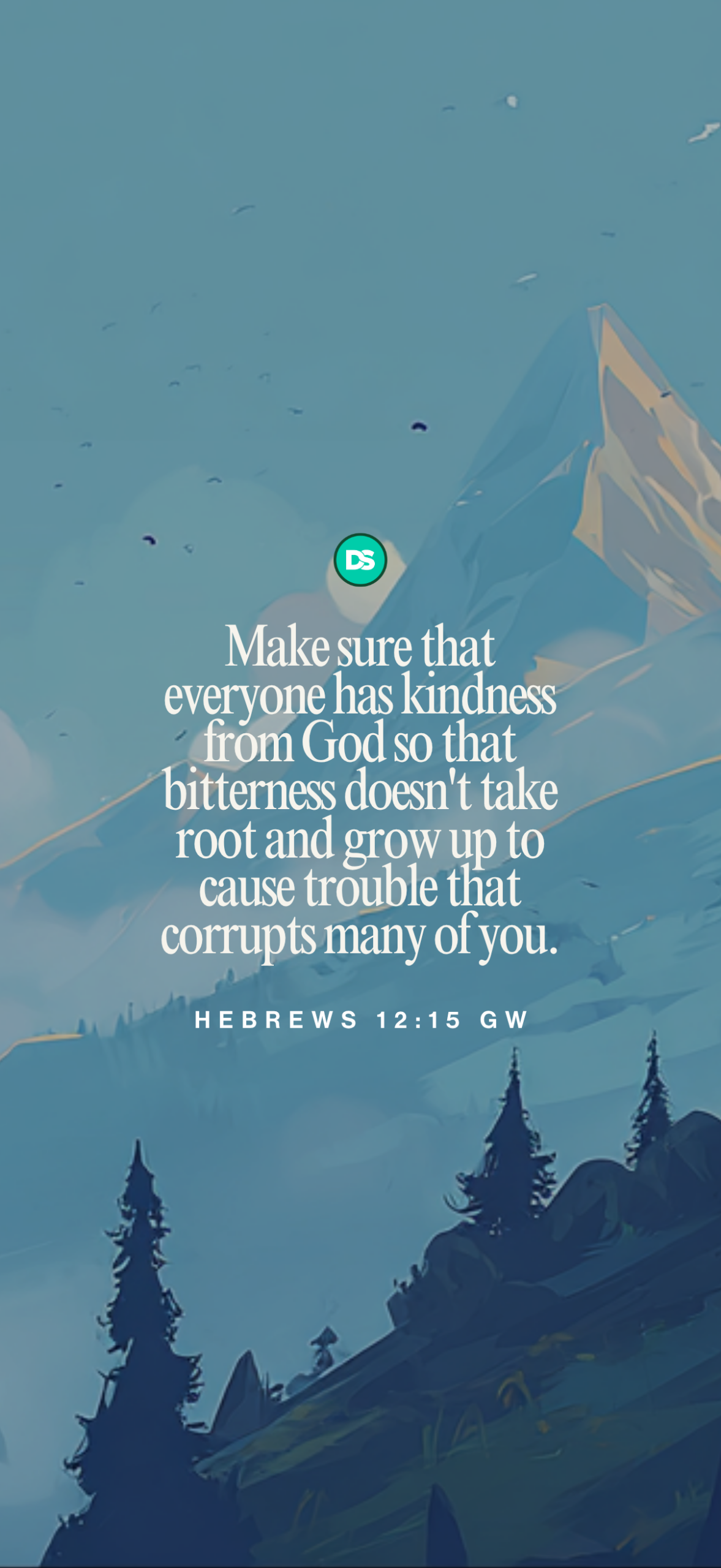
Read Hebrews 12:15 slowly. Then read it again:
Make sure that everyone has kindness from God so that bitterness doesn’t take root and grow up to cause trouble that corrupts many of you.
Hebrews 12:15 GW
If you had to describe your “bubble” or circle of friends, what words would you use? What words might someone else use? Connected, real, and loving? Or gossipy, mean, cliquey, and distant?
Friendships can get dramatic fast—someone doesn’t invite us to hang out, forgets something important, or talks about us behind our back. If we don’t let God’s kindness define our friendships, what starts as a small friendship drama can grow into a big toxic problem. The Bible describes this escalation as the growth of a bitter root. If we let it keep growing in our hearts, it will corrupt all of our relationships.
Honest friendships will always be a little messy, but God’s kindness allows us to resolve, get closer, and work together. No drama necessary.
Here’s what we’ll learn in this Quick Quiet Time:
- The world’s way of building friendships often leads to a cycle of bitterness and coldness.
- Pride isolates our relationships, but humility brings them closer.
- Putting God first makes our friendships better.
- Jesus teaches us how to be truly loving friends.

Worldly friendships create a cold bubble of bitterness.
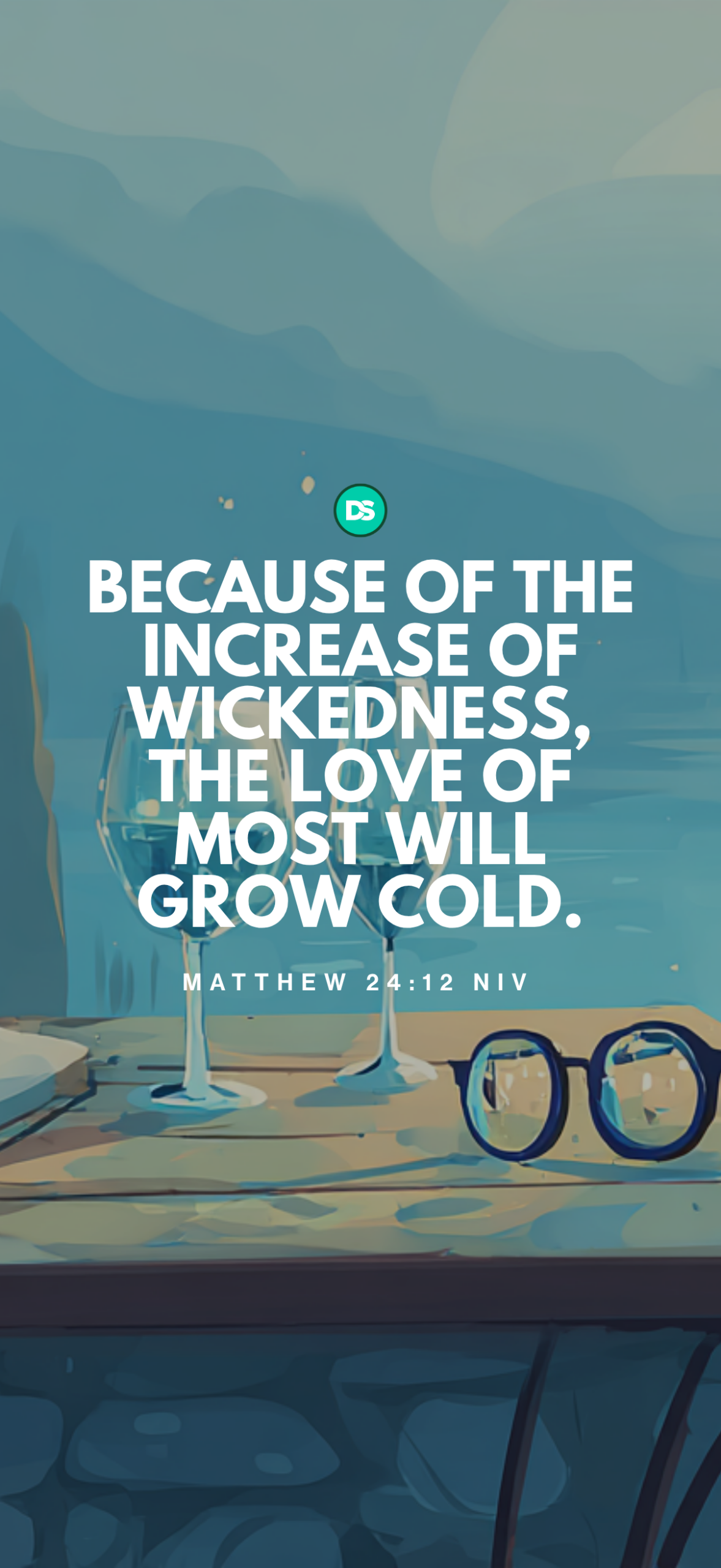
Because of the increase of wickedness, the love of most will grow cold.
Matthew 24:12 NIV
Lightbulb moment:
Cold, bitter relationships may be normal in the world, but God wants better for us.
One common message that the world sends us is that it’s “survival of the fittest” in social circles. We see it everywhere: gossip, exclusive groups, and holding onto grudges.
Coldness is a cycle. When we see or experience drama and selfishness increasing around us, our natural human reaction is often to protect ourselves by becoming “cold” too—either by becoming a bully or by being quietly distant and bitter (like ignoring someone’s text, excluding someone, not being honest with someone, or gossiping).
We might think that these things aren’t a big deal, but Matthew 24 tells us that when all these little things build up, our love grows cold. People around us can feel it, and we contribute to the cycle of cold friendships, making people feel hurt, excluded, and unloved. God calls us to live differently.

Humility pops the bitterness bubble.
… then do what will make my joy complete: Agree with each other, and show your love for each other. Be united in your goals and in the way you think. [3] In whatever you do, don’t let selfishness or pride be your guide. Be humble, and honor others more than yourselves. [4] Don’t be interested only in your own life, but care about the lives of others too.
Philippians 2:2-4 ERV
Truth bomb:
Humility is the antidote to bitterness. Pride isolates; humility resolves.
A lot of friendship drama comes from pride—the belief that we’re the reasonable one, we’re the loyal one, we’re the better friend, or we don’t need them as much as they need us.
This passage of the Bible calls us to a different way of treating people:
- Be united in our goals and the way we think — not “my way is the right way.”
- Show love for each other — not “I’ll love you when you earn it.”
- Don’t let selfishness or pride be our guide — not “I’m the victim and everyone else is the problem.”
- Care about the lives of others — not “My circumstances matter most.”
Reflect
- Have I been adding to coldness in my friendships? How?
- Are there ways I’ve dodged taking responsibility for conflict or distance in friendships?

Love starts with God.
“Teacher, which is the greatest commandment in the law?” Jesus said to him, “You shall love the Lord your God with all your heart, with all your soul, and with all your mind. This is the first and great commandment. A second likewise is this, ‘You shall love your neighbor as yourself.’ The whole law and the prophets depend on these two commandments.”
Matthew 22:36–40 WEB
We love each other because he loved us first.
1 John 4:19 NLT
Truth bomb:
Friendships get messy when we expect people to give us what only God can provide.
Friendship drama usually starts when we try to make a person do God’s job. We look to a friend group to give us our worth, security, and identity.
Love is not a reaction to how people treat us; it is a reflection of how God treats us. When we put God first in our lives, his love gives us what we need. Then we have room to love other people.
When God is first …
… We stop idolizing people and expecting them to meet our needs.
… We stop panicking when someone pulls away.
… We stop changing who we are just to fit in.
… We stop excluding anyone.
Metaphor moment
Jesus said, “Love your neighbor as yourself.” When we make mistakes, we are often our own best defense attorneys. We instinctively know how to care for ourselves:
- We explain our motives.
- We justify our actions.
- We give ourselves context (“I was tired,” “I didn’t mean it,” or “I’m under pressure”).
- We assume the best about ourselves.
- We defend our character even when our behavior wasn’t great (“I didn’t mean it; that’s not really me”).
But when someone else messes up, our perspective changes:
- We assume the worst about their motives.
- We focus on their behavior, not the context.
- We define people by their behaviors, not their characters.
- We don’t offer the same explanations or grace we give ourselves.
When it comes to others, we often stop being a defense attorney and become an unjust judge, sentencing other people harshly for crimes we have committed ourselves. This is the heart of the problem Jesus is addressing.
Reflect
- What is one way you have been your own “defense attorney”?
- What is one way you have been an unfair judge for someone else? How can you be their defense attorney instead?

What “love your neighbor as yourself” really means
Love is patient, love is kind. It does not envy, it does not boast, it is not proud. It does not dishonor others, it is not self-seeking, it is not easily angered, it keeps no record of wrongs.
1 Corinthians 13:4–5 NIV
When Jesus tells us to love our neighbor, he isn’t saying “feel warm affection.” He is saying that we need to love the way God loves us, which is described in 1 Corinthians 13.
Here is what that means:
- We treat others with the same generosity, patience, and benefit-of-the-doubt that we give ourselves.
- If we defend ourselves, we can defend others.
- If we explain our own motives, we can imagine and understand theirs.
- If we give ourselves grace, we can extend it outward too.
Loving others according to the Scriptures means:
- No gossip: Not sharing information as a self-seeking way to feel “in the know” or as a shortcut to feeling close to someone else.
- No “records”: Not bringing up a mistake someone made in the past.
- No cliques: Not making our friendship an exclusive club.
Put it into practice:
A lot of friendship problems come from being stuck inside our own heads, thinking more about ourselves than other people. Jesus calls us to look outward.
- When someone snaps at us → assume they’re tired, not malicious.
- When someone forgets something → remember how often we forget.
- When someone disappoints us → consider their pressures, not just our expectations.
- When someone apologizes → accept it the way we hope others accept our apologies.
Note: These explanations aren’t meant to be excuses for harmful behavior. If a friend is treating us poorly, we should tell them the truth so they can grow. But we should start with humility. When we are humble about our own sins and weaknesses, we can have the same compassion for others that we have for ourselves. We can tell the truth in love instead of judgment.

Love helps others see God.
“By this everyone will know that you are my disciples, if you love one another.”
John 13:35 NIV
Our friendships speak louder than our words. Choosing to love people who haven’t “earned” it looks so different from the world that people start to see Jesus.
Reflect:
- Who might notice if you loved your friends selflessly?
- How might your friendships change if they were focused on helping others see God?
Challenge for the week:
Choose one person you normally overlook, avoid, or feel awkward around—and do one act of love.
- Sit with them at lunch or in class.
- Send an encouraging text out of the blue.
- Speak well of them behind their back when others are gossiping.
- Start including rather than excluding.
- Pick one thing you will do this week to be a more humble, Christlike friend.

Humor break!
What did the tree say to his nervous friend? I be-leaf in you!
Bring the inspiration with you
Save this phone wallpaper to remind you to love today!